
Materials influence durability, safety and long-term value, often in ways that are not obvious at first glance. This principle applies just as much to infrastructure and building projects as it does to everyday consumer decisions. In construction environments across Australia, the way materials are selected, handled and delivered plays a major role in overall project success, making ready-mix concrete delivery safety a critical consideration from the very first pour.
Understanding why materials matter lays the foundation for better performance, fewer risks, and more reliable results on any construction site.
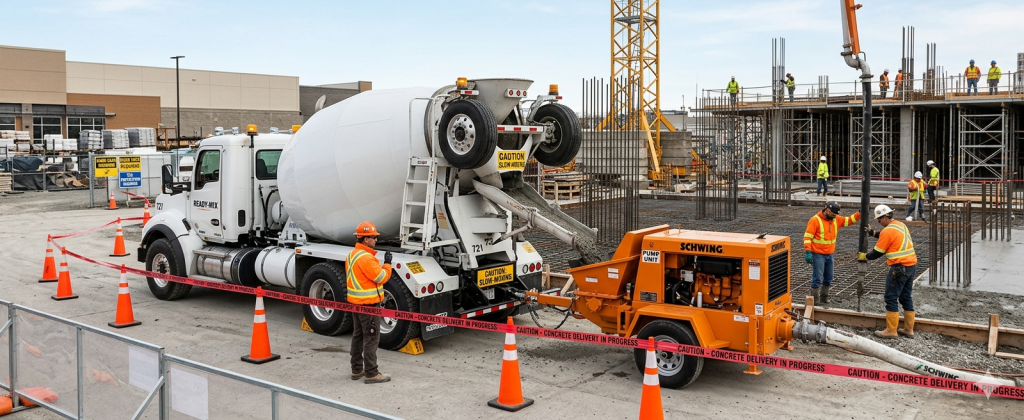
Why Safety Matters in Ready Mix Concrete Delivery?
Concrete delivery is not just about transporting material from the plant to the site.
It involves:
• Moving machinery and reversing vehicles
• Heavy agitator trucks operating in confined spaces
• Wet concrete can cause chemical burns
• Tight delivery schedules on active worksites
Pre-delivery Safety Planning
1. Site Assessment Before Dispatch
A professional supplier conducts a thorough site inspection before delivery whenever possible.
This includes reviewing:
• Turning radius and space for agitator trucks
• Access points and driveway strength
• Overhead powerlines or structures
• Ground stability and slope
2. Clear Communication with Site Managers
Safety planning also relies on communication.
Things to do before the truck arrives:
• The pour method is agreed
• Delivery time is confirmed
• Traffic management needs are identified
• Site-specific hazards are discussed
Vehicle and Traffic Management Controls
1. Safe Truck Positioning
Concrete agitators are heavy vehicles that require stable positioning.
Drivers are trained to:
• Maintain safe distances from excavations
• Use wheel chocks when required
• Avoid soft edges and uncompacted soil
2. Reversing and Spotter Procedures
Reversing remains one of the highest-risk activities during delivery.
To manage this:
• Reversing alerts and cameras assist drivers
• Exclusion zones are enforced around moving vehicles
• Spotters are used where there is less visibility
How to Handle Pumps and Chutes Safely?
Pumping Safety Measures
When concrete pumps are used, additional controls apply:
• Pressure is released before disconnection
• Pump hoses are secured to prevent whip
• Only trained operators manage pump equipment
Chute Operation Safety
Concrete chutes are heavy and can move suddenly if not handled properly.
Drivers follow strict procedures to:
• Avoid standing beneath raised chutes
• Secure chutes before extension
• Control movement during discharge
Environmental and Weather Considerations
Managing Weather Conditions
Australian weather can change quickly, particularly in Queensland. Safety planning includes the following,
• Heat increases fatigue and dehydration
• Wind impacting pump hose control
• Rain is affecting ground stability
Protecting Surrounding Areas
Professional and environmentally responsible suppliers focus on these aspects by:
• Managing washout areas correctly
• Minimising dust and noise near residential zones
• Preventing concrete spills into stormwater drains
Training and Driver Competency
Licensed and Experienced Drivers
Concrete delivery drivers are trained professionals with experience in:
• Navigating construction sites
• Understanding site-specific risks
• Operating heavy vehicles
Safety Inductions and Toolbox Talks
Many sites require drivers to complete safety inductions before entry.
Regular toolbox talks reinforce:
• Emergency response protocols
• Hazard awareness
• Incident reporting procedures
Prepared for Emergency and Incident Response Alertness
Even with proper controls in place, preparedness remains essential.
Safety plans include:
• Clear access for emergency services
• First aid availability on-site
• Emergency contact procedures
Protection from Wet Concrete Exposure
Wet concrete is alkaline and can cause serious skin burns.
Safety measures include:
• Immediate washing if exposure occurs
• Avoiding direct skin contact
• Using long sleeves and protective gloves
Compliance with Australian Safety Standards
Ready-mix concrete delivery in Australia operates under strict regulatory frameworks, including
• Industry-specific safety guidelines
• Work Health and Safety (WHS) legislation
• Heavy vehicle compliance requirements
Reputable suppliers streamline their procedures with these standards to maintain consistent safety in ready-mix concrete delivery across all projects.
Build Safer Sites with PMC Ready Mix Concrete Delivery
At PMC Ready Mix Concrete, we see material performance every day where quality, timing and safety directly impact results. From residential slabs to commercial pours, we work with you to supply concrete that meets Australian standards while supporting efficient workflows and safer site operations.
Our experience has reinforced that dependable outcomes are built on preparation, consistency and ready-mix concrete delivery safety at every stage. That’s why our processes are designed to reduce risk, ensure accurate placement, and deliver materials you can rely on exactly when you need them.
If you are planning a project and want a concrete supplier that values reliability as much as results, now is the right time to make your decision. Contact us today to discuss your requirements.